
Databricks — Where Data Engineering Meets AI Innovation
Build, process, and analyze data at scale while developing advanced AI and machine learning models — all in one unified lakehouse platform.
One Platform for Data, Analytics, and AI
Databricks brings together the flexibility of data lakes and the performance of data warehouses through its modern Lakehouse architecture. TechAIVV helps organizations implement Databricks to build unified, scalable, and AI-ready data platforms that accelerate analytics, machine learning, and real-time intelligence. By eliminating fragmented data environments, we enable enterprises to innovate faster while reducing operational complexity.
Power Across Every Role
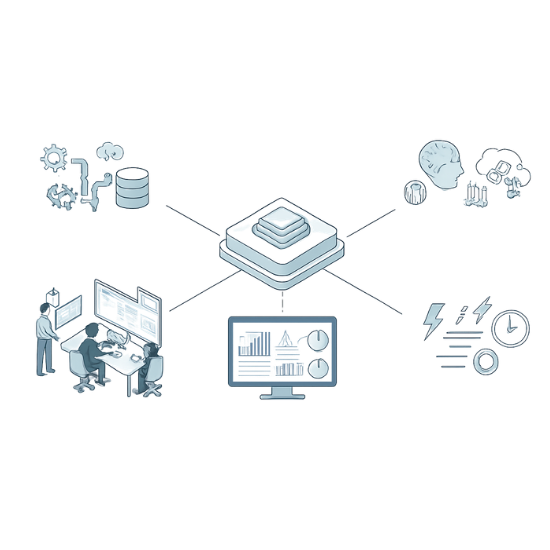
From Ingestion to Intelligence
Databricks enables organizations to transform raw enterprise data into actionable insights and production-ready AI models within a single, integrated platform. TechAIVV builds end-to-end data and AI workflows that streamline the entire lifecycle—from ingestion and preparation to analytics, model deployment, and continuous optimization.
Engineered for Scale and Speed
Powered by Apache Spark, Databricks delivers high-performance distributed computing for enterprise-scale data engineering, advanced analytics, real-time streaming, and AI workloads. Its cloud-native architecture efficiently processes massive datasets while maintaining consistent performance and operational reliability.
TechAIVV designs Databricks environments that leverage distributed processing, auto-scaling clusters, intelligent workload management, and optimized resource utilization to maximize performance while controlling infrastructure costs.
By enabling scalable processing and efficient workload orchestration, organizations can accelerate innovation, improve operational efficiency, and support enterprise-wide AI initiatives without infrastructure bottlenecks.
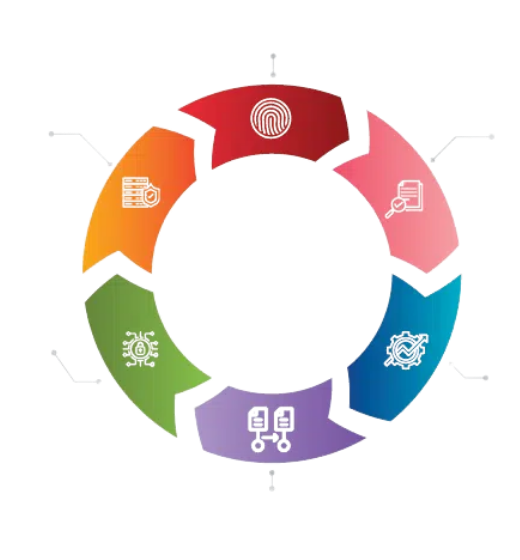
From Data Pipelines to AI-Driven Systems

TechAIVV helps organizations implement Databricks by designing scalable data architectures, modernizing engineering pipelines, enabling real-time analytics, and operationalizing enterprise AI. Our approach unifies data engineering, analytics, machine learning, and governance into a connected ecosystem that delivers measurable business value.
We create cloud-native data platforms that improve collaboration, accelerate experimentation, and enable continuous innovation. By integrating analytics, AI, and automation into a single environment, organizations gain a future-ready platform that scales with evolving business and technology requirements.
Built on Open Standards

Frequently Asked Questions
What is Databricks?
By integrating data pipelines, analytics, and machine learning workflows, Databricks enables faster data processing and collaboration. It is widely used for building modern data platforms that support real-time insights and AI-driven applications.
What is a lakehouse?
This approach eliminates data silos and reduces the need for multiple systems. It enables teams to run analytics and machine learning on the same data platform, improving efficiency and consistency.
Is Databricks good for machine learning?
Data scientists can collaborate with data engineers using shared datasets and workflows. Integration with ML frameworks and libraries allows for advanced model development. This makes Databricks ideal for organizations looking to operationalize AI at scale.
Does Databricks support real-time data?
This is useful for use cases such as fraud detection, monitoring, and real-time analytics. By combining streaming with batch processing, Databricks ensures continuous data flow and up-to-date insights.
What technologies power Databricks?
This open ecosystem provides flexibility, allowing organizations to use familiar tools and integrate with existing systems. It ensures high performance and scalability across workloads.
Can Databricks integrate with cloud platforms?
It also supports integration with storage systems, data pipelines, and BI tools, enabling a connected data ecosystem. This flexibility makes it suitable for hybrid and multi-cloud strategies.
Is Databricks suitable for large datasets?
It supports complex transformations, machine learning workloads, and real-time analytics, making it ideal for big data use cases. Organizations can scale resources dynamically based on demand.
Do you provide Databricks services?
We help design lakehouse architectures, optimize performance, and enable advanced analytics and AI use cases. Continuous improvement ensures long-term value and scalability.
Let’s Collaborate with Us!
From an early stage start-up’s growth strategies to helping existing businesses, we have done it all! The results speak for themselves. Our services work.