Event Marketing Engineered as a Data-Driven Revenue System
We design event programs that integrate directly into your data stack, CRM architecture, and GTM workflows — transforming events into measurable, system-driven pipeline acceleration engines.
The Core Problem

- Most event strategies fail not because of execution, but because they exist outside the organization’s data and revenue systems. Engagement remains unstructured, signals are not captured, and there is no direct linkage to pipeline or deal progression.
- This creates a disconnect where events generate activity, but not measurable business outcomes. Without system integration, even high-engagement events fail to translate into revenue.
- High-intent signals often go unacted upon due to delayed or missing follow-ups, resulting in lost opportunities despite strong engagement.
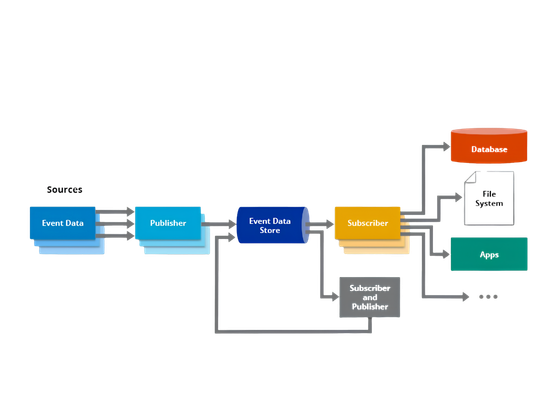
Event Data Architecture
Signal-Based Buyer Flow
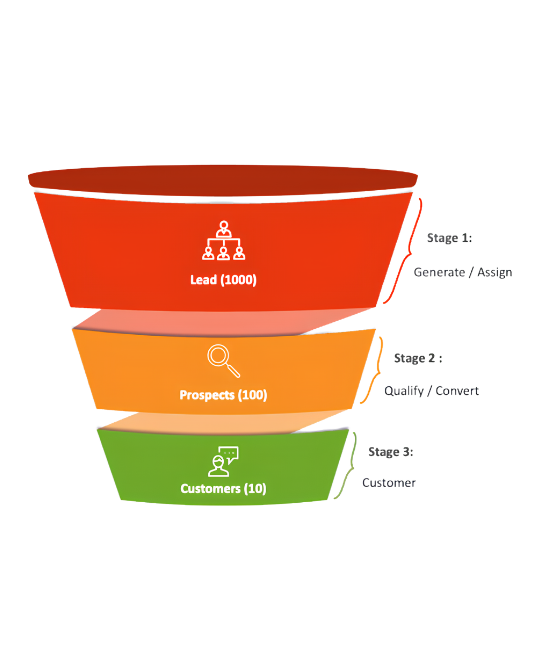
- Event engagement is not treated as a static activity but as a sequence of signals that drive system behavior. A session attended triggers interest classification. Interaction depth refines intent scoring. High-intent signals activate sales workflows.
- This creates a continuous flow where every interaction is translated into a measurable next step — ensuring that engagement directly influences pipeline progression.
- Cross-session and multi-touch interactions are consolidated at the account level, creating a complete view of engagement that enables coordinated, timely, and relevant follow-ups.
Pipeline Integration Layer
Events are integrated into your revenue infrastructure so that engagement is not isolated but continuously feeds into pipeline creation and deal movement.
Revenue Stack Alignment
We embed event systems into your broader revenue stack — connecting CRM platforms, marketing automation tools, CDPs, and analytics layers. This ensures a closed-loop system where data flows continuously between systems, enabling visibility, accountability, and optimization across the entire customer lifecycle.
Execution Model
Our execution model starts with defining the data and signal architecture required to drive measurable outcomes, followed by designing event experiences that generate those signals.
Business Impact
Frequently Asked Questions
How do you convert event engagement into pipeline?
This enables immediate follow-up based on intent rather than generic outreach. High-intent prospects are automatically prioritized and routed to sales, ensuring no opportunity is lost. The result is a direct transition from engagement to pipeline creation with minimal delay.
What is the role of intent data in event marketing?
By analyzing these signals, sales teams can prioritize accounts with higher buying intent. This improves targeting, increases conversion rates, and reduces wasted effort on low-value leads. It transforms events from awareness channels into precision-driven pipeline generators.
How do you ensure real-time data flow from events?
This provides visibility into account-level interest and buying signals over time. It also supports coordination across sales teams, ensuring consistent engagement throughout long sales cycles.
Can this model support enterprise-level sales cycles?
This provides visibility into account-level interest and buying signals over time. It also supports coordination across sales teams, ensuring consistent engagement throughout long sales cycles.
How do you track ROI for events?
This allows organizations to measure the actual business impact of events rather than just attendance metrics. It provides clear visibility into which events and activities are driving revenue.
What differentiates this from traditional event marketing?
How do you handle post-event engagement?
Is this approach scalable across regions?
Let’s Collaborate with Us!
From an early stage start-up’s growth strategies to helping existing businesses, we have done it all! The results speak for themselves. Our services work.