
HiTech

HiTech companies operate in fast-paced, innovation-driven markets where rapid product cycles, digital platforms, and global competition shape business success. To stay competitive, organizations must leverage AI, data platforms, and intelligent automation to accelerate product innovation, optimize operations, and deliver superior digital experiences.

Overview

HiTech organizations operate in technology-driven ecosystems where innovation speed, product performance, and scalable digital infrastructure determine market leadership. Companies must analyze large volumes of product, engineering, and customer data to improve decision-making, optimize development cycles, and scale digital platforms efficiently.
Key Challenges

Understanding HiTech Complexity, We Help Technology Companies Scale Innovation

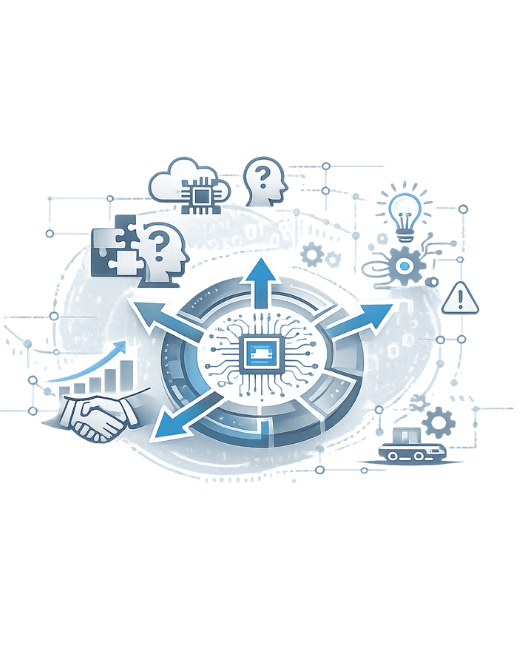
HiTech companies must balance rapid innovation with operational efficiency while managing complex digital ecosystems and product lifecycles.

Rapid product development cycles and innovation pressure
Managing large volumes of product, engineering, and user data
Limited visibility into product performance and usage patterns
Difficulty scaling digital platforms and infrastructure
Fragmented data across product, engineering, and business systems
Increasing cybersecurity and data governance challenges

Driving Innovation Through Intelligent Technology Engineering

The modern HiTech landscape is shaped by rapid digital disruption, increasing software complexity, data-intensive operations, and continuously evolving user expectations. Organizations must innovate faster while maintaining scalability, security, operational efficiency, and infrastructure reliability.
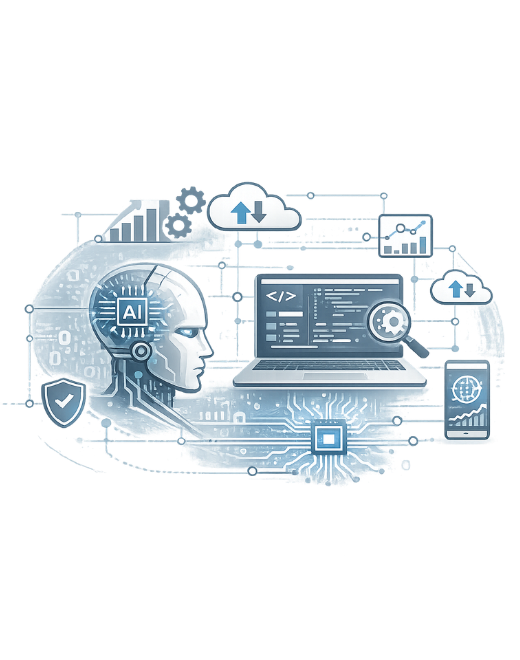

Enterprise SaaS platforms
AI-powered applications
Cloud-native software infrastructure
Intelligent automation systems
Real-time analytics ecosystems
Scalable product engineering
DevOps & DevSecOps pipelines
API-first digital architectures
Advanced data engineering
Secure enterprise platforms
Multi-Agent Systems
Mobile Agents
Hybrid Agents
Cognitive Agents
Adaptive Agents
AI-Powered Digital Product Engineering

Intelligent Software & Platform Development

Enterprise application engineering
SaaS product development
AI-driven platform integration
Multi-tenant architecture design
Cloud-native application development
API-first software ecosystems
Workflow automation systems
Platform modernization

Business Impact

Driving Innovation and Digital Growth

By leveraging AI and advanced analytics, HiTech organizations can transform product development, improve operational efficiency, and gain deeper insights into technology performance and customer usage patterns.

Enterprise Data Engineering & Analytics

HiTech enterprises generate massive volumes of operational, customer, application, and behavioral data every second. Without a modern data architecture, organizations often struggle with fragmented reporting, inconsistent metrics, and limited visibility.

TechAIVV Technologies builds scalable data ecosystems designed for AI readiness, analytics intelligence, and enterprise operational visibility.
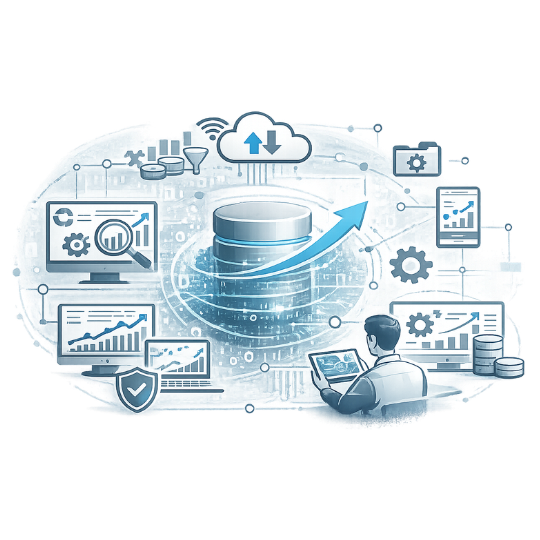
Data lakes & warehouses
Real-time data pipelines
Streaming analytics infrastructure
Enterprise BI dashboards
AI-ready data ecosystems

Frequently Asked Questions

What is AI Product Engineering?
AI Product Engineering is the end-to-end process of designing, developing, deploying, and maintaining products that leverage artificial intelligence and machine learning technologies. It goes beyond traditional software development by incorporating data pipelines, model training, evaluation, deployment (MLOps), and continuous improvement.

It ensures that AI models are not just built but are scalable, reliable, and aligned with business goals, delivering real-world value through intelligent automation and insights.
How is AI Product Engineering different from traditional software engineering?
AI Product Engineering differs fundamentally from traditional software engineering in both its approach and execution. Traditional systems rely on predefined rules and deterministic logic, meaning they behave predictably based on coded instructions. In contrast, AI systems are probabilistic and data-driven, learning patterns from historical data to make predictions or decisions. This introduces uncertainty, requiring continuous evaluation, retraining, and tuning. Additionally, AI development involves experimentation, feature engineering, and model validation, which are not typically part of standard software workflows. The lifecycle is also more iterative, as models must adapt to new data and changing conditions. As a result, AI Product Engineering integrates disciplines like data science, data engineering, and MLOps alongside traditional development practices.
What are the key components of AI Product Engineering?
AI Product Engineering is built on several critical components that work together to create a robust and scalable system. Data engineering forms the foundation, involving data collection, cleaning, transformation, and storage to ensure high-quality inputs. Model development focuses on selecting appropriate algorithms, training models, and evaluating their performance. Deployment and MLOps enable models to be integrated into production environments, ensuring they can handle real-world workloads efficiently. Integration layers connect AI capabilities with applications, APIs, and user interfaces, allowing seamless interaction with other systems. Governance and security ensure compliance with regulations, protect sensitive data, and maintain transparency and accountability. Together, these components form a cohesive ecosystem that supports the full lifecycle of AI products.
Why is MLOps important in AI Product Engineering?
MLOps plays a crucial role in bridging the gap between experimental AI development and real-world production systems. It introduces structured processes and automation to manage the lifecycle of machine learning models, including versioning, testing, deployment, and monitoring. Without MLOps, organizations often struggle with deploying models consistently, tracking changes, and maintaining performance over time. MLOps ensures that models can be updated seamlessly as new data becomes available, reducing downtime and improving reliability. It also enhances collaboration between data scientists, engineers, and operations teams by standardizing workflows and tools. Ultimately, MLOps enables organizations to scale AI initiatives efficiently while maintaining control, transparency, and performance.
What is AI Product Engineering?
AI Product Engineering is the end-to-end process of designing, developing, deploying, and maintaining products that leverage artificial intelligence and machine learning technologies. It goes beyond traditional software development by incorporating data pipelines, model training, evaluation, deployment (MLOps), and continuous improvement.

It ensures that AI models are not just built but are scalable, reliable, and aligned with business goals, delivering real-world value through intelligent automation and insights.
How is AI Product Engineering different from traditional software engineering?
AI Product Engineering differs fundamentally from traditional software engineering in both its approach and execution. Traditional systems rely on predefined rules and deterministic logic, meaning they behave predictably based on coded instructions. In contrast, AI systems are probabilistic and data-driven, learning patterns from historical data to make predictions or decisions. This introduces uncertainty, requiring continuous evaluation, retraining, and tuning. Additionally, AI development involves experimentation, feature engineering, and model validation, which are not typically part of standard software workflows. The lifecycle is also more iterative, as models must adapt to new data and changing conditions. As a result, AI Product Engineering integrates disciplines like data science, data engineering, and MLOps alongside traditional development practices.
What are the key components of AI Product Engineering?
AI Product Engineering is built on several critical components that work together to create a robust and scalable system. Data engineering forms the foundation, involving data collection, cleaning, transformation, and storage to ensure high-quality inputs. Model development focuses on selecting appropriate algorithms, training models, and evaluating their performance. Deployment and MLOps enable models to be integrated into production environments, ensuring they can handle real-world workloads efficiently. Integration layers connect AI capabilities with applications, APIs, and user interfaces, allowing seamless interaction with other systems. Governance and security ensure compliance with regulations, protect sensitive data, and maintain transparency and accountability. Together, these components form a cohesive ecosystem that supports the full lifecycle of AI products.
Why is MLOps important in AI Product Engineering?
MLOps plays a crucial role in bridging the gap between experimental AI development and real-world production systems. It introduces structured processes and automation to manage the lifecycle of machine learning models, including versioning, testing, deployment, and monitoring. Without MLOps, organizations often struggle with deploying models consistently, tracking changes, and maintaining performance over time. MLOps ensures that models can be updated seamlessly as new data becomes available, reducing downtime and improving reliability. It also enhances collaboration between data scientists, engineers, and operations teams by standardizing workflows and tools. Ultimately, MLOps enables organizations to scale AI initiatives efficiently while maintaining control, transparency, and performance.

Let’s Collaborate with Us!

From an early stage start-up’s growth strategies to helping existing businesses, we have done it all! The results speak for themselves. Our services work.