
DPDPA Is a Data System Problem—Not a Policy Problem
TechAIVV helps organizations build privacy-first data architectures where consent, access, processing, retention, and governance are embedded directly into enterprise systems.
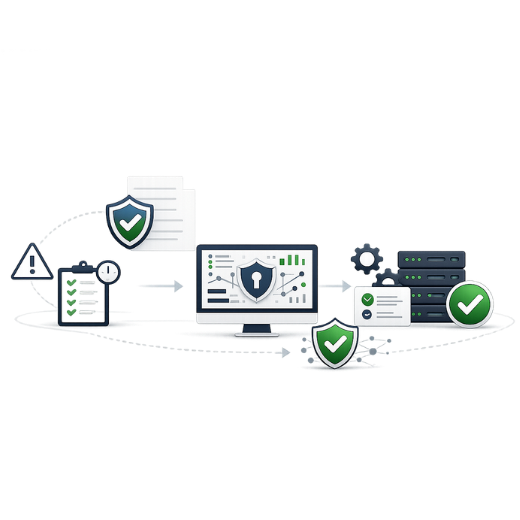
India Didn’t Just Introduce a Law. It Defined an Operating Model.
The Digital Personal Data Protection Act (DPDPA) establishes a new operating model for enterprise data governance. Compliance is no longer measured solely through documentation or periodic audits—it requires systems that continuously enforce privacy, security, and accountability throughout the data lifecycle.
TechAIVV helps organizations modernize their data environments by integrating compliance into applications, APIs, cloud platforms, and enterprise workflows. Our privacy-by-design approach enables continuous governance, operational transparency, and scalable regulatory compliance.
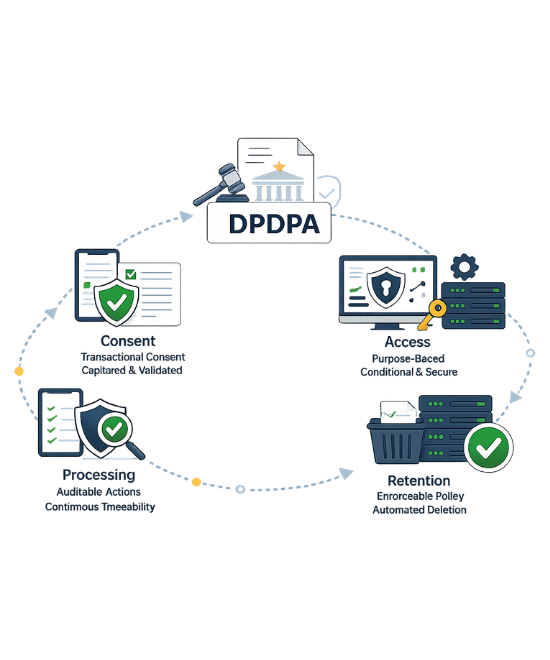
DPDPA Rewrites How Data Must Flow
The Act introduces new operational requirements that affect every stage of enterprise data management. Organizations must ensure that privacy controls are embedded into system architecture rather than managed through manual processes.
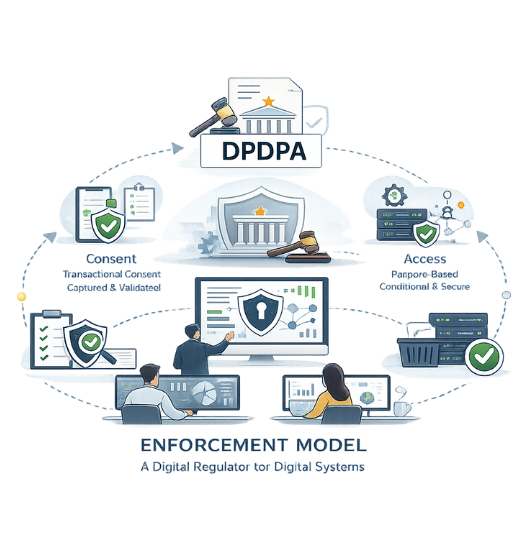
A Digital Regulator for Digital Systems
DPDPA introduces an enforcement approach focused on how enterprise systems actually operate. Compliance increasingly depends on demonstrating secure data handling, controlled processing, operational transparency, and continuous governance rather than relying solely on documented policies.
TechAIVV enables organizations to build compliance-ready systems with embedded governance, monitoring, audit capabilities, and operational controls that improve regulatory readiness while strengthening enterprise security and resilience.
Where Most Systems Will Fail
Many companies focus on surface-level compliance like policies and consent forms. We focus on what truly matters—data privacy, trust, and protection.
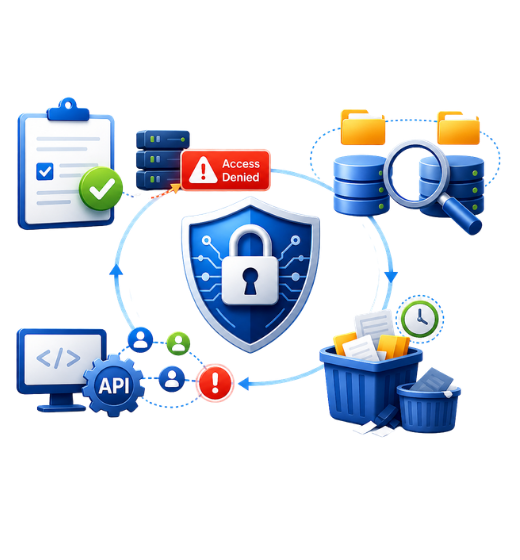
Compliance Now Lives in the Stack
Achieving DPDPA compliance requires privacy controls across every layer of the technology ecosystem. TechAIVV designs integrated compliance architectures that combine governance, automation, observability, and security into a unified enterprise framework.
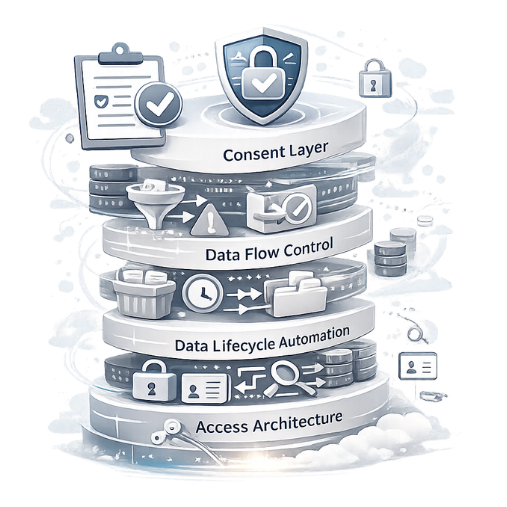
Consent Layer
Data Flow Control
Data Lifecycle Automation
Observability Layer
Access Architecture
The Cost of Getting This Wrong
DPDPA compliance directly impacts business resilience, customer trust, operational efficiency, and long-term digital growth. Organizations that rely on manual compliance processes face increased regulatory exposure, operational complexity, and reduced scalability.
TechAIVV helps enterprises transform compliance into a strategic capability by building secure, privacy-first systems that support cloud modernization, AI adoption, digital services, and future regulatory requirements. By embedding compliance into enterprise architecture, organizations reduce risk, strengthen customer confidence, and create scalable digital platforms prepared for long-term business success.

Frequently Asked Questions
What is the difference between data privacy and data protection?
How do you implement privacy-by-design in modern systems?
How do you ensure data security across multiple systems and integrations?
What role does encryption play in data protection?
How do you manage access control and identity security?
How do you help organizations comply with regulations like GDPR or HIPAA?
How do you detect and respond to data security threats?
What outcomes can organizations expect from a structured data protection system?
Let’s Collaborate with Us!
From an early stage start-up’s growth strategies to helping existing businesses, we have done it all! The results speak for themselves. Our services work.