Professional Services

THE GAP

Where Things Break

As engineering teams prioritize roadmap delivery, foundational activities such as platform optimization, architectural refinement, integration resilience, and system reliability often receive less attention. This creates an engineering gap where products continue to evolve, but the underlying architecture struggles to support increasing workloads, changing business demands, and continuous innovation.

Over time, technical debt accumulates across the product ecosystem. Performance becomes less predictable, integrations become increasingly fragile, release cycles slow, and operational risk grows. Engineering effort gradually shifts from building new capabilities to maintaining existing systems, reducing the organization’s ability to innovate and scale with confidence.

WHAT WE DELIVER

Professional Services of product lifecycle
TechAIVV extends engineering capability across the entire product lifecycle, enabling products to evolve without compromising architecture, reliability, or operational performance. Rather than addressing isolated technical issues, we strengthen the engineering systems that support long-term product growth.
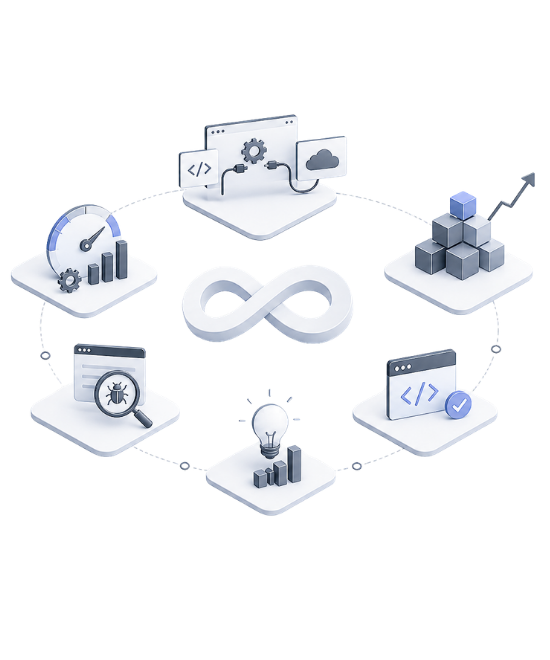
Integration Engineering → API integrations, third-party systems, middleware orchestration
Performance Optimization → latency reduction, query optimization, system tuning
Scalability Engineering → architecture improvements for load handling and growth
Performance Optimization → latency reduction, query optimization, system tuning
Bug Resolution & Stability → production issue handling and regression fixes
Enhancement Engineering → incremental feature improvements aligned with roadmap
HOW WE WORK

Execution Model Built for Product Teams

Engineering improvements must integrate seamlessly into ongoing product development—not compete with it.

TechAIVV follows an execution model that continuously improves system performance while allowing internal engineering teams to remain focused on product innovation.

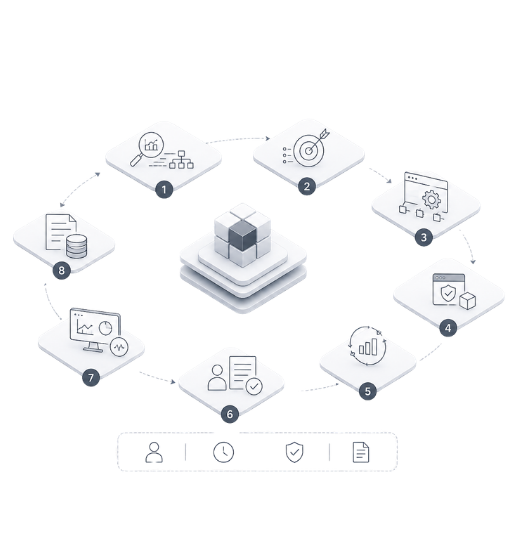
  • Analyze current architecture and bottlenecks
  • Identify high-impact engineering priorities
  • Execute in structured sprints with measurable outcomes
  • Validate changes in real environments
  • Continuously refine based on performance and usage
  • Defined ownership and SLAs for consistent execution
  • Real-time monitoring and observability
  • Structured documentation for maintainability
SERVICE AREAS

Where We Add Engineering Depth

Our engineering services are modular across product layers, with focused execution in each:

API & Integration Services
Secure, scalable API development and third-party system integration
Cloud & Infrastructure Support
AWS, Azure, GCP optimization for performance and cost efficiency
Backend Engineering Support
Microservices, databases, system logic optimization
Frontend Enhancements
UI performance, responsiveness, and user experience improvements
WHO IT’S FOR

Built for Product Teams That Are Scaling

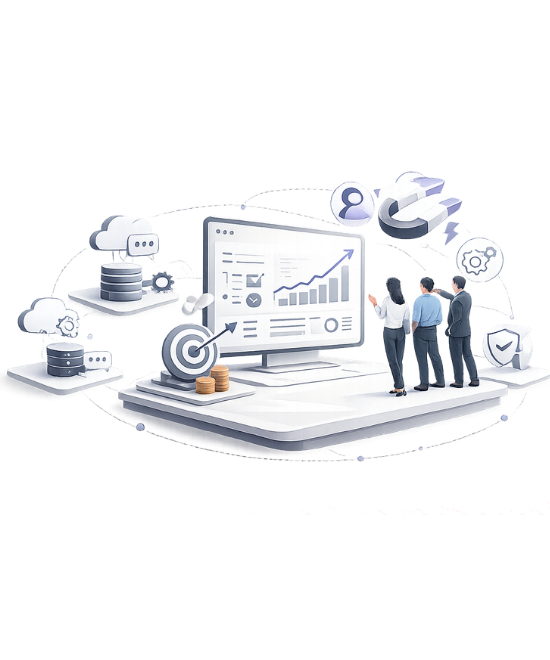
TechAIVV helps product teams strengthen their engineering foundation by improving system performance, integration reliability, and operational resilience—enabling continuous product evolution without compromising delivery velocity.
This is for you if:
Your product is growing but engineering bandwidth is limited
Integrations and performance issues are slowing releases
Your team is focused on roadmap, not system optimization
You need reliable engineering support without hiring overhead
WHAT CHANGES

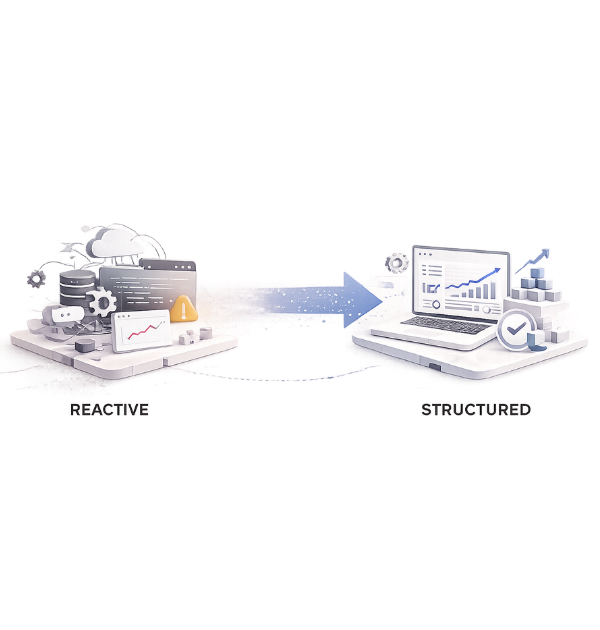
Reactive to structured engineering

TechAIVV enables this transition by strengthening the architectural foundation behind the product. Performance becomes predictable, integrations remain resilient, and releases are validated through structured engineering practices rather than post-deployment fixes. The product evolves as a stable engineering system instead of a collection of incremental patches.

As products mature, engineering must evolve from resolving operational issues to continuously improving system behavior. Rather than reacting to performance bottlenecks, unstable integrations, and recurring production issues, organizations establish an engineering model where reliability, scalability, and maintainability are built into the platform.

Frequently Asked Questions

What do your professional services in product engineering include?
Our professional services cover the continuous engineering needs of a product beyond initial development. This includes API integration, performance optimization, scalability engineering, bug resolution, and infrastructure support. We work across backend systems, frontend layers, and cloud environments to ensure the product operates reliably under real-world conditions. The focus is not just on building features but on maintaining system stability, improving performance, and enabling continuous evolution. This creates a product that performs consistently as usage and complexity increase.
How are professional services different from traditional development support?
Traditional development support is often reactive—focused on fixing issues as they arise. Our approach is system-driven and proactive. We analyze architecture, identify bottlenecks, and implement improvements before issues impact performance. Instead of isolated fixes, we focus on long-term engineering outcomes such as scalability, maintainability, and reliability. This ensures that your product does not accumulate technical debt over time and continues to perform efficiently as it grows.
Can you work with our existing architecture and tech stack?
Yes, our services are designed to integrate seamlessly with your existing architecture and technology stack. Whether you are using microservices, monolithic systems, or cloud-native infrastructure, we align our approach with your current setup. We focus on enhancing system performance, improving integrations, and optimizing workflows without requiring unnecessary changes. This ensures minimal disruption while maximizing the value of your current engineering investments.
How do you handle scalability and performance challenges?
We approach scalability and performance through a combination of architecture optimization, system tuning, and infrastructure improvements. This includes optimizing database queries, improving API performance, implementing caching strategies, and refining system design for load handling. We also analyze real usage patterns to identify bottlenecks and ensure the system can scale efficiently. The goal is to maintain consistent performance even as user demand and data volume increase.
Do you provide support for cloud and DevOps environments?
Yes, we provide support across major cloud platforms such as AWS, Azure, and GCP, along with DevOps practices. This includes CI/CD pipeline optimization, deployment automation, monitoring, and infrastructure management. We ensure that your product is deployed reliably and can handle continuous updates without downtime. Our approach improves system visibility, reduces deployment risks, and enhances overall operational efficiency
How do you ensure product stability during continuous changes?
Product stability is maintained through structured engineering practices such as regression testing, monitoring, and controlled deployment strategies. We implement validation mechanisms to ensure that new changes do not impact existing functionality. Continuous monitoring helps detect issues early, and rollback strategies ensure quick recovery if needed. This allows your product to evolve without introducing instability or unexpected failures.
How quickly can you start and deliver results?
We can typically start with an initial assessment phase to understand your system architecture and identify priority areas. Early improvements such as bug fixes, performance tuning, and integration enhancements can be delivered within a few weeks. More complex changes involving scalability or architecture optimization are planned in phases. Our approach ensures that you see measurable improvements quickly while building a foundation for long-term growth.
What outcomes can we expect from your professional services?
You can expect improved system performance, stable integrations, and a more scalable architecture. Products become more reliable under load, and engineering teams experience fewer disruptions from production issues. Release cycles become smoother, and technical debt is reduced over time. Overall, the product transitions from reactive maintenance to controlled, predictable engineering—enabling consistent growth and better user experience.

Let’s Collaborate with Us!

From an early stage start-up’s growth strategies to helping existing businesses, we have done it all! The results speak for themselves. Our services work.